Table Of Content
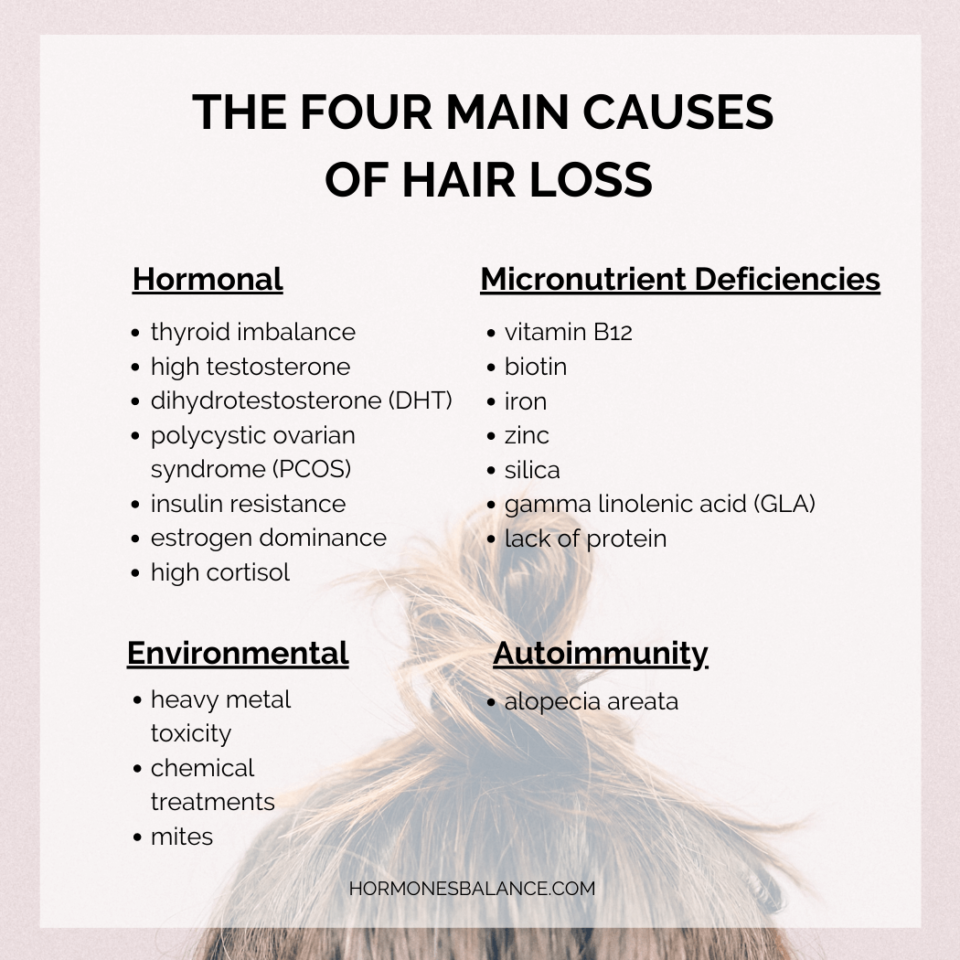
There are around 100,000 follicles sprouting hair on the average scalp, and it’s common to lose up to 100 strands a day. Once an individual hair has shed, the follicle prepares for regrowth and the whole cycle starts again. Yes, both hypothyroidism and hyperthyroidism can cause hair fall.
How does female hair loss differ from male hair loss?
Iron is important for carrying oxygen to the cells, and without it, your hair follicles won't get the oxygen they need to function properly. This can cause strands to fall out and may even lead to permanent hair loss. DHT can attach to receptors on the hair follicles, causing the follicles to shrink. As the follicles shrink, they cannot support hair growth, disrupting the hair cycle and contributing to hair loss. This effect becomes more severe as the DHT levels increase [3].
Male and female pattern baldness

It may be harmful to your unborn baby and can pass through breast milk to a nursing infant. For this test, they gently pull on a chunk of your hair to see how many strands come out. Your doctor may use a lighted microscope to look for any hair shaft disorders. You'll soon start receiving the latest Mayo Clinic health information you requested in your inbox.
What are common types of hair loss?
This, in turn, can make your hair more susceptible to shedding. To prevent this, use lukewarm water when washing your hair and avoid overly hot showers. Yes—when you lose a significant amount of weight (either through restrictive dieting or weight loss surgery) it can cause hair fall.
Find more top doctors on
In women, the first noticeable sign of hereditary hair loss is usually overall thinning or a widening part. Shrinking can begin as early as your teens, but it usually starts later in life. Other vitamins and minerals may also play a role in hair loss. People can speak with a healthcare professional to determine whether they have a vitamin deficiency that may be causing hair loss. A 2018 review suggests that a vitamin D deficiency may link to hair loss. The authors also suggest that to help prevent hair loss, people low in iron would benefit from iron supplementation and making sure they get enough vitamin C.
From straight to curly, thick to thin: here's how hormones and chemotherapy can change your hair - The Conversation
From straight to curly, thick to thin: here's how hormones and chemotherapy can change your hair.
Posted: Thu, 11 Jan 2024 08:00:00 GMT [source]
Rapid weight loss due to bariatric surgery or disease can also cause this often reversible condition. Researchers have also found vitamin and mineral deficiencies related to hair loss. Anemia (iron deficiency), a condition common among women, can contribute to hair loss.
Symptoms Of Hair Loss In Women
This article discusses factors that lead to thinning hair or bald spots, who’s at risk, and how to treat it. Surgery, high fevers, and blood loss can cause enough stress to result in excessive shedding. Childbirth can result in hair loss for several months after delivery.
People may experience hair loss while using birth control pills. Others might experience hair loss several weeks or months after they stop taking birth control pills. Finasteride inhibits 5 alpha-reductase, blocking the conversion of testosterone to dihydrotestosterone (DHT), the androgen responsible for male pattern baldness. Doctors sometimes prescribe other treatments off-label to reduce the incidence of hair loss in women. Otherwise known as Aldactone, spironolactone works to treat hair loss by acting on hormones. Specifically, it binds to androgen receptors and decreases the body’s processing of testosterone.
Steps to Take to Initiate Treatment
Menopause, when the menstrual cycle stops, causes changes in estrogen and testosterone—hormones involved in regulating the hair cycle. Typically setting on when women are between 45 and 55, these fluctuations can trigger female pattern hair loss. Certain hairstyles can stress the hair follicles, leading to a form of hair loss called traction alopecia.
The friction from wearing tight clothing, shoes, or socks can cause hair loss where you have continual rubbing. While many people who have hair loss develop one or more of these common signs, hair loss can occur in other ways. Millions of people develop these signs of hair loss, which tend to appear gradually. These signs can be subtle, so you may have hair loss for months or years before you notice it.
While it’s more prevalent in older adults, anyone can experience it, including children. Poisons that can cause hair loss include arsenic, thallium, mercury, and lithium. If you ingest a large amount of warfarin, which is found in rat poisons, it can also cause hair loss.
Alopecia Areata: The Mental Health Toll Of Female Hair Loss - Chatelaine
Alopecia Areata: The Mental Health Toll Of Female Hair Loss.
Posted: Wed, 21 Jun 2023 07:00:00 GMT [source]
This causes breakage, along with other symptoms, such as frizz and dryness. Both overactive and underactive thyroids can make hair fall out in clumps. It can also go hand-in-hand with autoimmune conditions, like alopecia.
Sometimes hair loss is a sign of a condition called hyperandrogenism, which happens when your body makes too many androgens (male hormones). In women and others with female reproductive organs, its most common cause is polycystic ovary syndrome (PCOS). Along with hair loss, other signs of PCOS include weight gain, acne, and irregular periods. Many people think that hair loss only affects people assigned male at birth (AMAB).




No comments:
Post a Comment